The article is written by Dr. Prasenjit Deka- Senior Consultant- Neurology, GNRC Hospitals, Sixmile
B.E.F.A.S.T. and Beyond: Recognize Stroke and Take Immediate Action
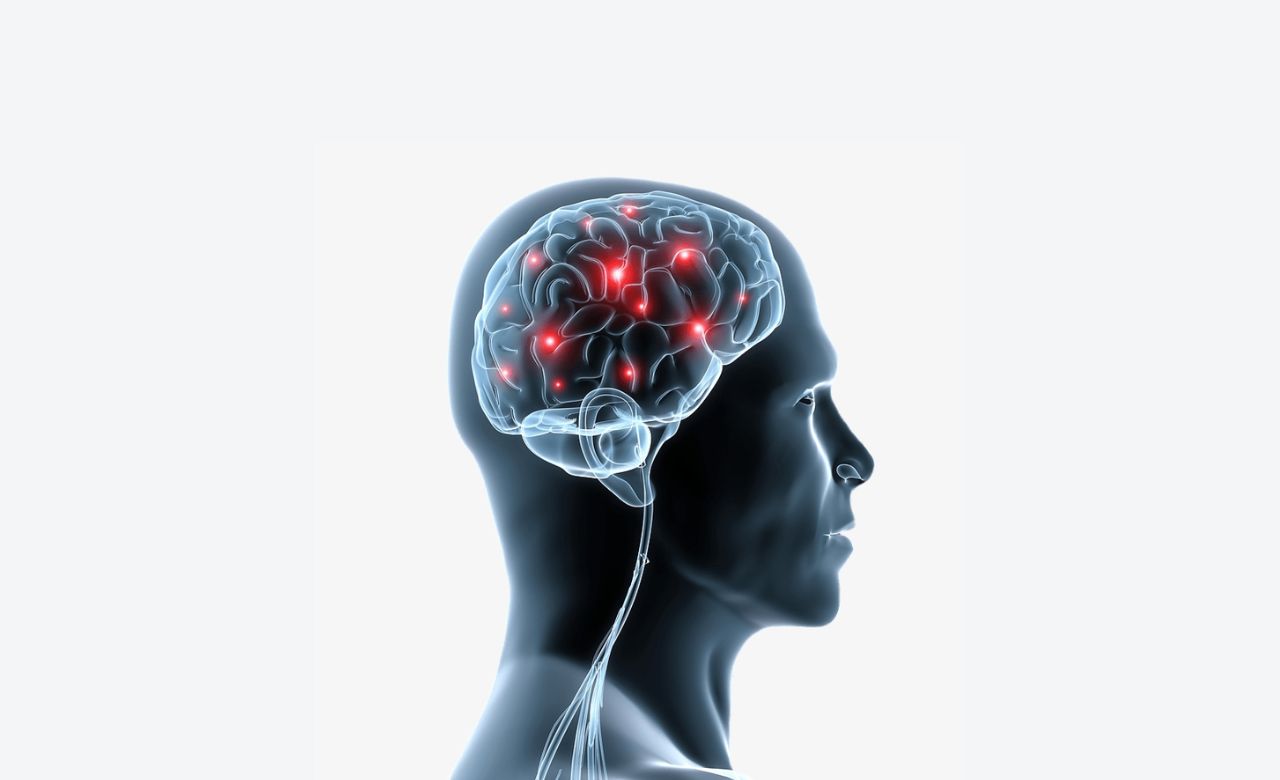
A Stroke occurs when there is a disruption in the blood supply to the brain. The disruption may occur either by a blockage (ischemic stroke) or by a rupture of blood vessels (haemorrhagic stroke). The damage from a stroke can be catastrophic to someone, affecting speech, movement and cognition. In treatment of Stroke, time is of utmost importance- because, each minute without treatment means more brain cells are at risk of dying. Recognizing the symptoms and taking immediate action can save lives and can reduce long term consequences.
The B.E. F.A.S.T. is a simple yet a very strong tool that people can use to quickly identify the symptoms of stroke and act promptly. Let us understand how B.E. F.A.S.T. is crucial in understanding stroke prevention and care.
B.E. F.A.S.T. and detect a Stroke
B- Balance: Sudden loss of balance or coordination is a common warning sign of stroke. The person might find it difficult to walk, balance himself and stumble.
E- Eyes: Vision problems such as sudden blurred or double vision may indicate a stroke.
F-Fast: Drooping of one side of the face is one of a common sign of stroke. A simple way to check is by asking the person to smile. If one side of the face droops it could mean a stroke.
A-Arm: Weakness or numbness in one or both the arm is another warning sign of stroke. Check by asking the person to lift both the arms. If one arm drifts downward or they are unable to lift one arm, it could be a stroke.
S-Speech: Difficulty in speaking or slurred speech is another warning sign of stroke. Check by asking the person to repeat a simple sentence. If their words are distorted and they cannot speak, it could be a Stroke.
T-Time: The most crucial factor in stroke treatment is Time. If any of the above symptoms are experienced, immediately dial 1800345001 for an Ambulance to GNRC Hospitals. Remember, the golden hour of stroke treatment is 4.5 hours! Moreover, the faster the treatment, the better the chances of survival and recovery.

Beyond B.E. F.A.S.T., understand the risk factors of Stroke
While B.E. F.A.S.T. is a powerful tool to detect a Stroke, it is equally important to go beyond it to understand the risk factors and causes of stroke.
While strokes are more common in older adults, young adults can experience them too! And, certain lifestyle factors increase the likelihood, which includes the following-
High Blood Pressure: Uncontrolled Hypertension is one of the major risk factors of stroke. Monitoring your blood pressure can significantly reduce your risk of stroke.
Heart Disease: Heart conditions such as Atrial Fibrillation and blocked blood vessels can cause some types of stroke. Atrial Fibrillation can cause blood to clot in the heart and if these clots break up or displace they can travel to the brain and cause a stroke.
Diabetes: Diabetes increases risk of both ischemic and haemorrhagic stroke because it can damage blood vessels and lead to blood clots.
Smoking and excessive Alcohol consumption: Drinking too much alcohol can increase your risk of stroke. Globally, excessive alcohol consumption is linked to over 1 million strokes each year. Smoking can significantly increase the chance of stroke by damaging blood vessels, forming a clot or weakening blood vessels. If the clot occurs and travels to the brain or the blood vessels in the brain burst, it causes a stroke
Family history: A family history of stroke or heart disease raises risk of stroke in an individual.
Beyond B.E. F.A.S.T., understand how to Prevent a Stroke
While certain risk factors like age and family history are out of control though many can be managed by lifestyle adjustments.
Regular health checkups: Monitoring blood pressure, cholesterol levels and blood glucose can help in early detection and prevention of stroke.
Exercise: Regular physical activity even for half an hour daily improves blood circulation and reduces the risk of stroke.
Healthy diet: A diet rich in fruits, vegetables, whole grains, and lean proteins, while low in saturated fats and sodium, supports heart and brain health Fruit and reduce damage to blood vessels.
Quit smoking and limit excessive alcohol: Even if you are a long-term smoker, quitting will reduce your risk of stroke almost immediately.
