Craniotomy vs. Craniectomy- a simple guide
The skull is a protective casing that covers the brain and provides it with support and stability. However, in certain medical conditions, it may become necessary to open the skull to access the brain. Two common procedures for opening the skull are Craniotomy and Craniectomy. While they sound similar, there are important differences between the two procedures that patients and their families should be aware of.
Craniotomy and Craniectomy are both neurosurgical procedures that involve removing a portion of the skull to access the brain for a brain surgery. The team of best neurosurgery doctors in Guwahati at GNRC Hospitals frequently performs both the procedures to treat critical head injuries, brain tumours and stroke across Northeast India.
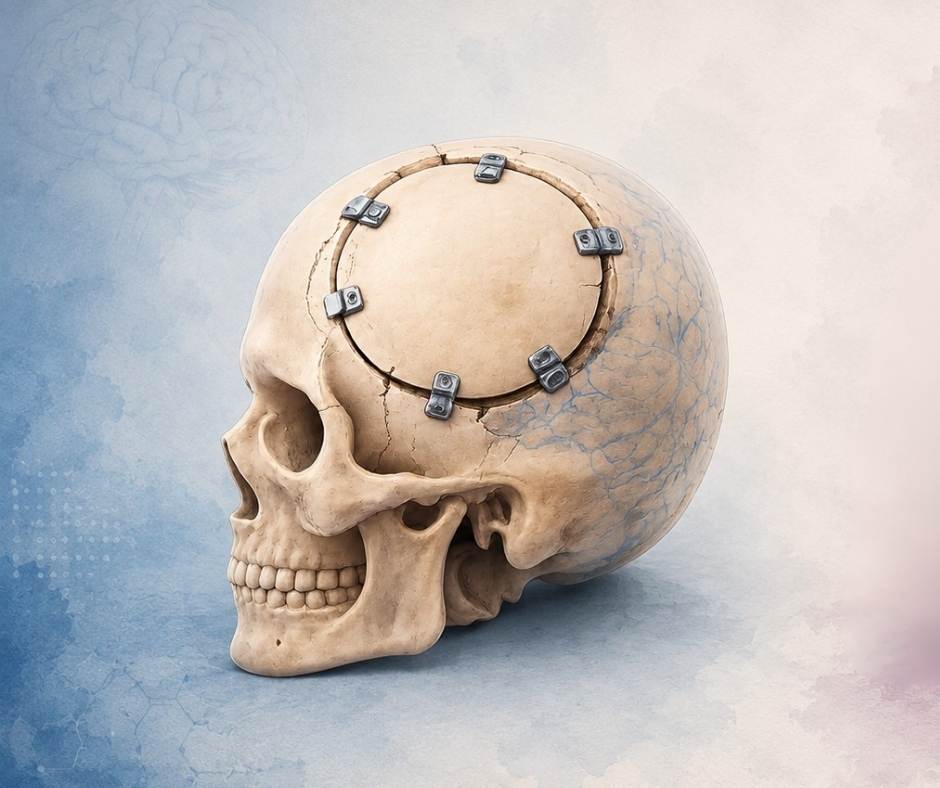
What is a Craniotomy?
A craniotomy is a surgical procedure that involves making an incision in the scalp and temporarily removing a portion of the skull to access the brain. Once the brain surgery is complete, the removed bone is put back in place. The scalp incision is then closed using stitches and staples. This can be necessary to treat brain tumors, aneurysms, blood clots, or to remove parts of the brain that have been damaged by injury or disease
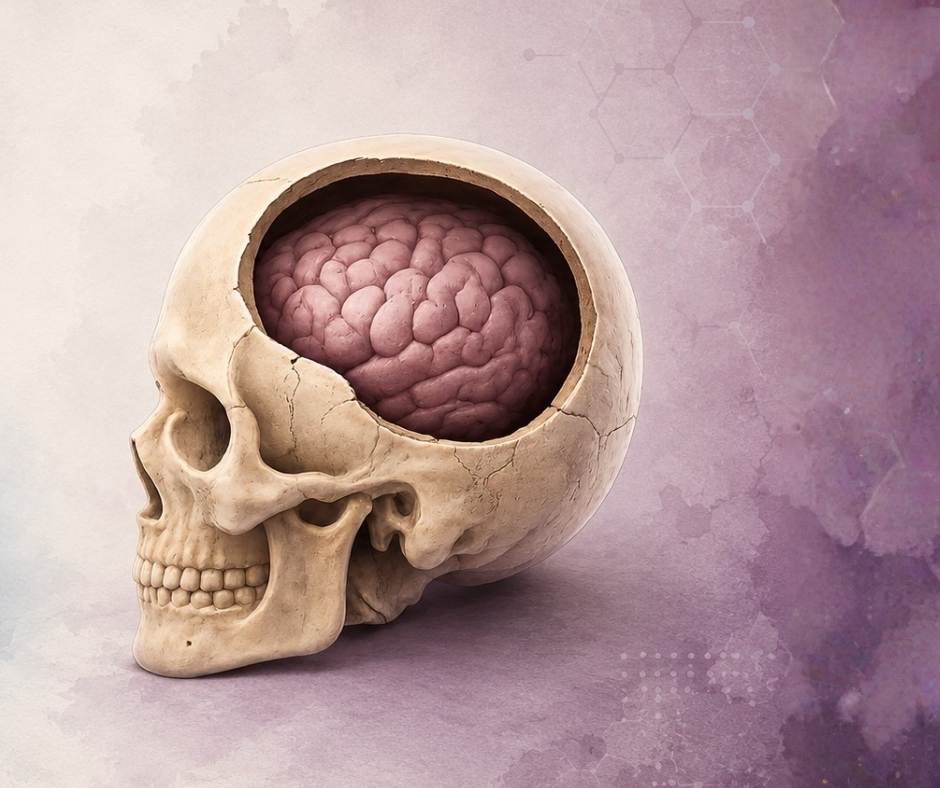
What is a Craniectomy?
A Craniectomy is a similar procedure to a craniotomy, in which a portion of the skull is removed and not replaced immediately or even in future. After the surgery, neurosurgeons replace the bone flap much later for an extended period of time in order to relieve pressure on the underlying brain. They leave the skull open until the pressure goes down. Craniectomies are only performed when a person is in critical condition. They can reduce the risk of brain damage after an injury or stroke. Sometimes, instead of a bone, artificial substitutes are used a replacements.
Why are Craniotomy and Craniectomy Performed?
Both Craniotomy and Craniectomy are performed to access and treat various neurosurgical conditions, such as brain tumors, aneurysms, traumatic brain injuries, and hemorrhages. The goal of both procedures is to relieve pressure on the brain and prevent further damage.
Craniotomy is commonly used to remove brain tumors, treat epilepsy, remove blood clots, repair aneurysms, and treat traumatic brain injuries.
Craniectomy is commonly used to treat stroke (infarcts), head injuries or any case of brain swelling to relieve pressure on the brain caused by swelling or bleeding.
Differences between Craniotomy and Craniectomy
1. Replacing the bone flap
The main difference between craniotomy and craniectomy is whether the section of the skull (bone flap) is replaced. In a craniotomy, the bone flap is replaced at the end of the procedure, whereas in a craniectomy, it is not.
2. Recovery time
Craniotomy typically involves a shorter recovery time compared to Craniectomy. Patients who undergo a craniotomy may be able to go home within a few days, while those who undergo a craniectomy require rehospitalization for replacement.
3. Risks
Both craniotomy and craniectomy carry risks, including infection, bleeding, and swelling. However, craniectomy carries a slightly higher risk of complications such as sinking of the brain, infection, and seizures.
4. The Recovery Process after Craniotomy and Craniectomy
Both craniotomy and craniectomy procedures require a period of recovery, which can vary depending on the individual's condition and the extent of the surgery. After the procedure, patients may need to stay in the hospital for several days to a week for monitoring and recovery before being discharged. During this time, they may receive medications for pain management and to prevent infections.
Craniotomy or Craniectomy- which procedure is right for me?
A neurosurgeon can help determine the best treatment option based on the patient's specific needs.
The decision between craniotomy and craniectomy depends on the specific condition being treated and the patient's overall health. In some cases, the neurosurgeon may plan to perform a craniotomy but switch to a craniectomy during the surgery if the brain is more swollen than expected.
It's important to discuss the risks and benefits of each procedure with the best neurosurgeon in Guwahati at GNRC Hospitals and ask any questions you may have. They can help you understand what to expect during and after the surgery and develop a plan for recovery accordingly.
