
Quick Contacts
GNRC Ambulance: 1800-345-0011
Book an Appointment: 1800-345-0022
E-mail: [email protected]
Contact Us
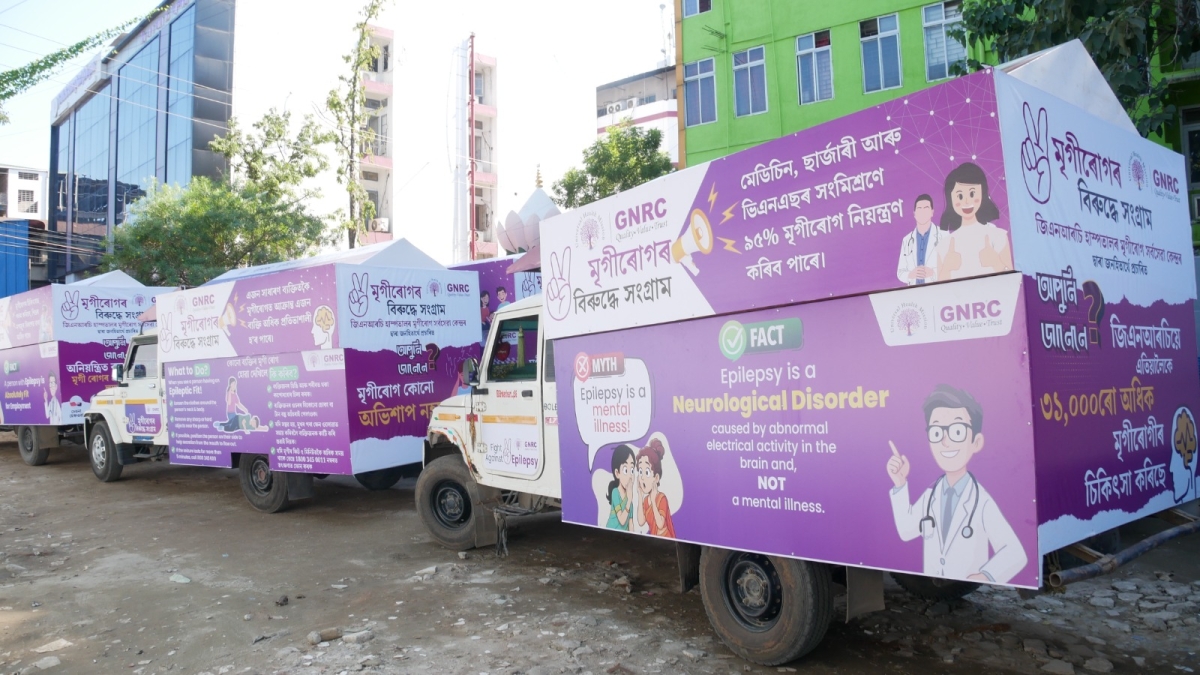
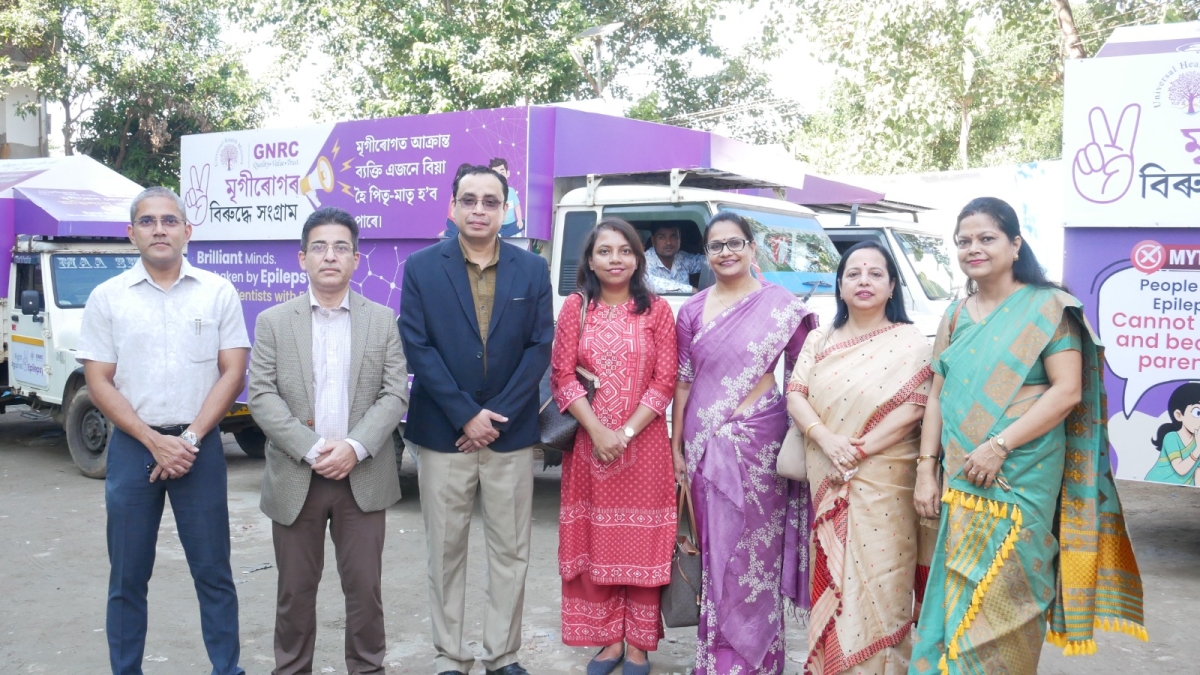
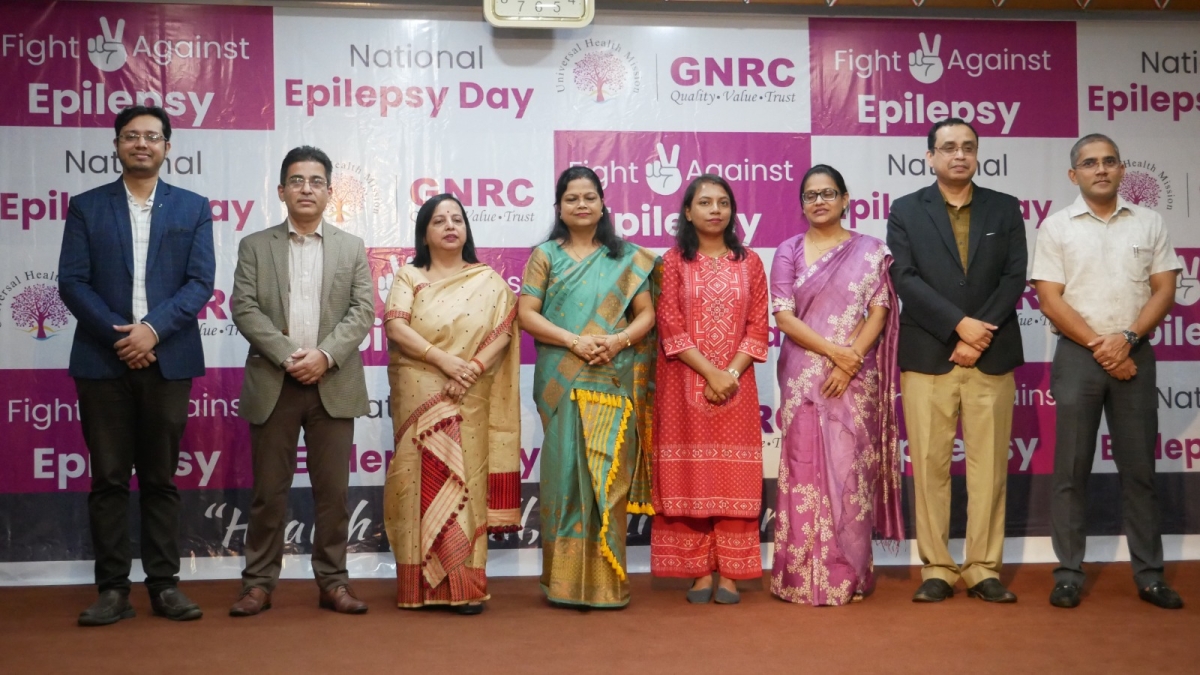
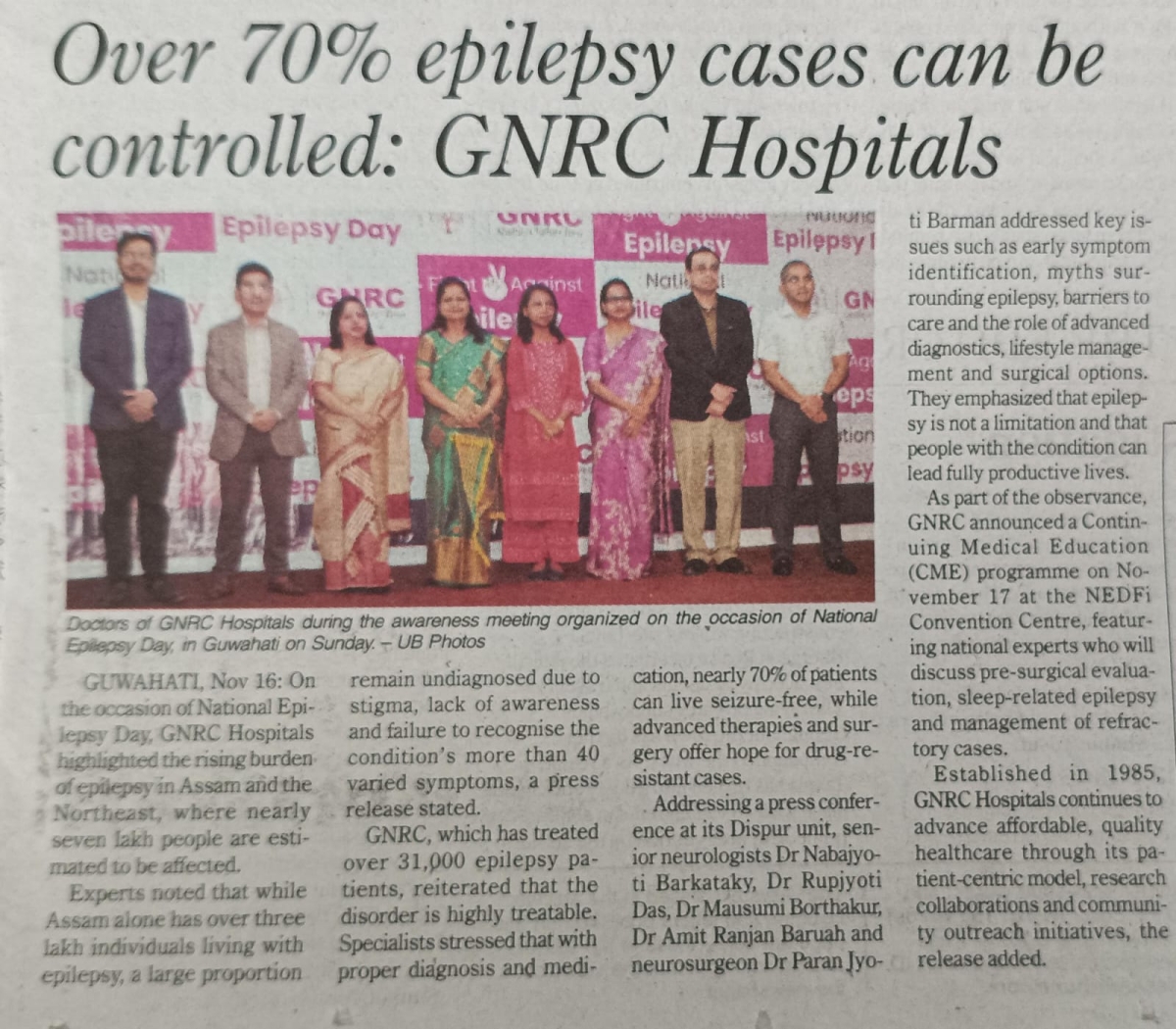
On the occasion of National Epilepsy Day, GNRC Hospitals organised a press conference at its Dispur unit to highlight the growing burden of epilepsy in Assam and Northeast India and to urge the public to seek timely diagnosis and treatment. Senior neurologists and neurosurgeons from GNRC shared key insights, addressed misconceptions, and emphasised the importance of awareness in bridging the treatment gap.
According to experts, epilepsy remains one of the most misunderstood neurological disorders even though it affects over 50 million people worldwide, more than 10 million in India, and an estimated three lakh people in Assam. In the Northeast, over seven lakh individuals are believed to be living with the disorder. Many of these cases, doctors said, remain undiagnosed due to lack of awareness, stigma, and misinterpretation of symptoms.
GNRC Hospitals, which has treated more than 31,000 epilepsy patients to date, reiterated that the condition is highly treatable. “With proper medication and adherence, over 70% of patients can live seizure-free. For those with drug-resistant epilepsy, advanced diagnostics, targeted therapies and surgical options can offer significant improvement,” the experts shared.
Expert Insights and Quotes
Burden of Epilepsy — Assam, Northeast & the World
Dr Nabajyoti Barkataky, Senior Neurologist, highlighted the magnitude of the problem:
“Epilepsy is a major public health concern globally, and Assam is no exception. While millions live with the condition, the real challenge lies in the fact that a large proportion of cases in our region remain unidentified. Early diagnosis can make a huge difference, and awareness is the first step towards reducing this burden.”
Symptoms — Visible, Hidden & Often Misunderstood
Dr Rupjyoti Das, Senior Neurologist, emphasised the need for symptom awareness:
“There are more than 40 different symptoms of epilepsy, many of which are subtle or mistaken for behavioural issues, sleep problems or mental health concerns. Recognising these signs early is crucial. Families should seek medical help without delay if they observe unusual spells, blank stares, sudden confusion or repetitive movements.”
Treatment Gap, Stigma & Barriers to Care
Dr Mausumi Borthakur, Consultant Neurophysiologist and Epilepsy Expert, spoke on societal misconceptions:
“The biggest barrier is not medical—it is stigma. Many patients hide their condition or avoid treatment due to misconceptions and fear of discrimination. Yet, nearly three-fourths of epilepsy cases are fully controllable. Public education can dramatically reduce the treatment gap and help patients lead normal, productive lives.”
Modern Treatment Options — Medication, Lifestyle & Advanced Therapies
Dr Amit Ranjan Baruah, Consultant Neurologist, explained the spectrum of care:
“From accurate medication plans to lifestyle management and counselling, a structured approach can transform outcomes. Drug-resistant epilepsy requires advanced evaluation through video EEG, MRI and neuropsychological assessment. With a multidisciplinary team, we can tailor treatment and significantly improve a patient’s quality of life.”
Epilepsy Surgery & Life after Treatment
Dr Paran Jyoti Barman, Senior Neurosurgeon, spoke on surgical possibilities:
“Epilepsy surgery is considered when multiple medications fail to control seizures and when the seizure focus is identifiable. Modern surgical techniques are safe and effective, offering long-term relief for carefully selected patients. Surgery is not a last resort—it is a scientifically proven, life-changing option for many.”
Myths, Facts & Leading a Normal Life
Dr Sumita Kalita, Consultant Neurologist, addressed myths and encouraged inclusion:
“Epilepsy is not a curse, nor does it limit a person’s abilities. People with epilepsy can study, work, excel in sports, get married and become parents. Many of history’s greatest achievers—including athletes, artists and scientists—lived with epilepsy. Breaking myths is essential to building a compassionate, informed society.”
GNRC Announces CME on 17 November at NEDFi Convention Centre
As part of National Epilepsy Day 2025, GNRC Hospitals will host a CME (Continuing Medical Education) session on 17 November 2025, from 7:00 PM to 9:00 PM at NEDFi Convention Centre, Guwahati. The programme will feature:
• Dr Ashalatha Radhakrishnan, Prof. & HoD, Department of Neurology, SCTIMST, Thiruvananthapuram — Comprehensive Epilepsy Care: Pre-Surgical Evaluation for Refractory Epilepsy
• Dr Joy Desai, Head & Director, Dept. of Neurology, Jaslok Hospital & Research Centre — Sleep and Epilepsy
• Dr (Prof.) Marami Das, Department of Neurology, Gauhati Medical College — Refractory Epilepsy: An Approach
The CME aims to update clinicians across the region on modern evaluation and treatment strategies for complex epilepsy cases.
Quick Contacts
GNRC Ambulance: 1800-345-0011
Book an Appointment: 1800-345-0022
E-mail: [email protected]
Contact Us