Renal Transplant: A Life-Saving Treatment for Kidney Failure
Kidney failure is a devastating condition raising concern worldwide. The Global Burden of Disease Study 2019 states that kidney disease was responsible for 1.2 million annual deaths. This includes both chronic kidney disease (CKD) and acute kidney injury (AKI), with a significant portion of the deaths being attributed to end-stage renal disease (ESRD).

In Assam, the situation regarding kidney disease and kidney failure is also alarming, mirroring global trends. According to the findings of GNRC Hospitals, kidney diseases are becoming increasingly common due to lifestyle changes and a lack of awareness about prevention. It is estimated that 1 in 10 people in India suffer from some form of kidney disease, with Assam showing a similar trend.
Why Renal Transplant?
When the kidneys lose their ability to function properly, it can lead to serious health complications that require treatment options like dialysis or a kidney transplant. Among these options, a renal transplant (kidney transplant) is often the best choice for restoring kidney function and improving quality of life.
Why Renal Transplant is necessary?
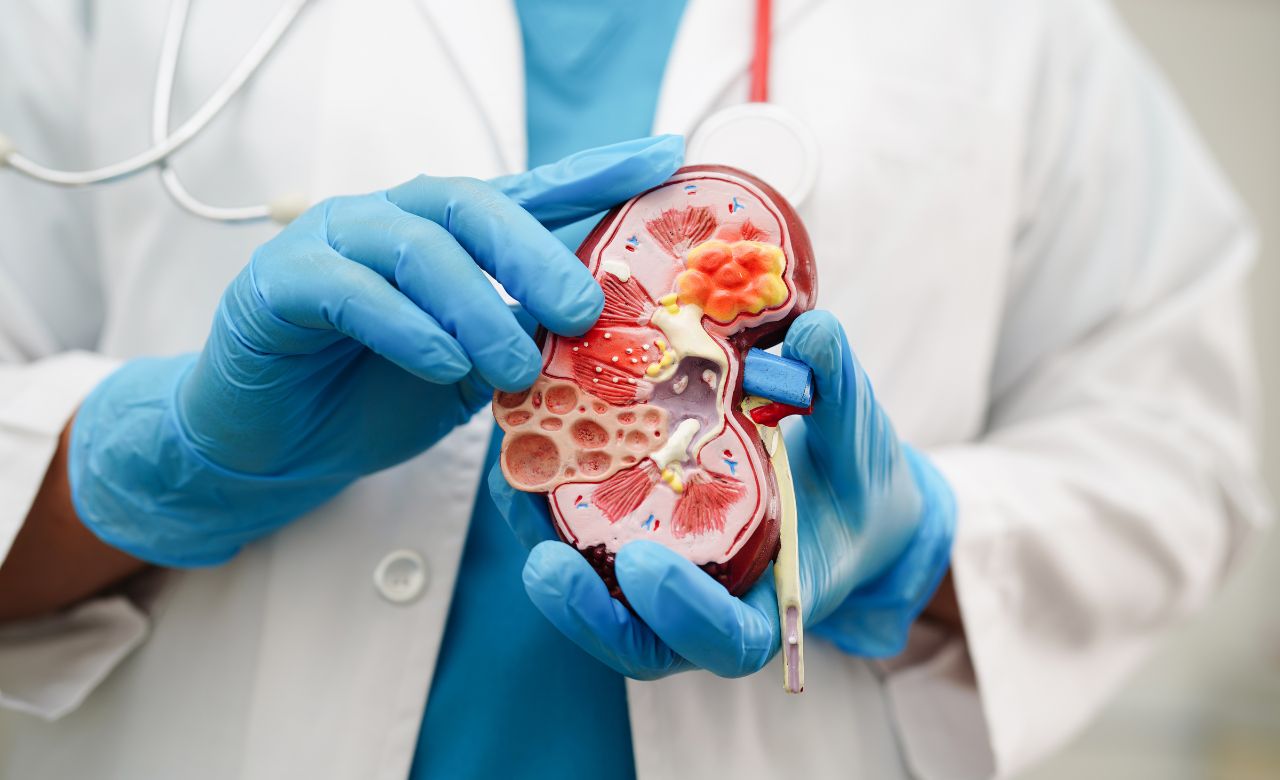
Renal transplant involves the surgical procedure in which a person whose kidneys have failed or are severely damaged is replaced by a healthy one. The transplanted kidney takes over the function of the damaged kidneys, helping the body maintain a proper balance of fluids, electrolytes, and waste elimination. It is typically recommended for individuals with ESRD in which the kidneys can no longer perform their necessary functions. Untreated ESRD can result in life-threatening conditions like heart failure, high blood pressure, and anaemia.
Who Needs a Kidney Transplant?
Kidney transplantation is recommended for patients with end-stage renal disease (ESRD). ESRD can be caused by multiple factors, including:
Hypertension: Chronic high blood pressure can damage the kidneys and lead to kidney failure.
Diabetes: Long-term uncontrolled blood sugar can damage the kidneys, leading to a condition known as diabetic nephropathy.
Polycystic Kidney Disease (PKD): PKD is a genetic disorder that causes cysts to form in the kidneys, impairing their function.
Glomerulonephritis: Inflammation of the kidney’s filtering units known as nephrons (consisting the glomerulus and renal tube) that can eventually lead to kidney failure.
Other conditions: Certain autoimmune diseases, infections, or kidney trauma may also lead to kidney failure.
A person whose kidneys can no longer adequately filter waste from the blood or regulate important bodily functions, typically have to undergo dialysis. However, dialysis is a temporary solution, and a kidney transplant offers the potential for a permanent resolution to kidney failure.
Process of Kidney Transplant
The process of kidney transplantation involves multiple steps, from evaluation and donor selection to surgery and long-term recovery.

1. Evaluation and Pre-Transplant Testing
A comprehensive evaluation is must to assess the patient's suitability before undergoing a kidney transplant procedure. This includes:
Blood tests: To evaluate the compatibility with potential donors and to assess overall health certain blood tests are done.
Imaging studies: The imaging studies are carried out to examine the structure of the kidneys and urinary system of the patient to determine the compatibility.
Heart and lung tests: It is important to understand before undergoing a kidney transplantation, the other organs are also taken into account the overall health and patient’s ability to undergo surgery.
Psychosocial evaluation: Emotional and mental preparedness is a major step towards transplantation journey.
Other factors: Factors like- long waiting list of finding a living donor as well as from a deceased donor. Also, waiting time for a kidney from a deceased donor can vary depending on factors like blood type, tissue compatibility, and availability of organs.
2. Find a Donor:
Kidney transplants can be done either from a living donor or deceased donor transplants. It is necessary to understand that kidneys can be received from a living as well as a deceased donor whose vitals match to the patient requirements.
Kidney from a Living Donor: Voluntary kidney donation from live related family members are the most common type of kidney donation in India. Family members can be parents, children, siblings, spouse, cousins, uncle and aunt. Living donor is typically preferred because living kidneys tend to have better outcomes and function for a longer period of time than kidneys from deceased donor.
Kidney from a Deceased Donor: In case of unavailability of a living donor, patients can receive a kidney from a deceased donor who has agreed to donote their kidney to someone in need. The organ is typically retrieved from someone who has passed away due to brain death or other circumstances. The entire process is carried out in coordination with organ donation organizations and transplant centers.
3. Kidney Transplantation Surgery:
After a suitable donor kidney is found, the transplant surgery is scheduled. The procedure typically lasts between 3 to 4 hours and involves the following:
- The healthy kidney is placed in the lower abdomen, and its blood vessels are connected to the patient’s arteries and veins.
- The new kidney is connected to the urinary tract to allow urine to be produced and excreted.
- The patient may be required to stay in the hospital for several days or weeks for post-operative care and recovery.

4. Post-Transplantation Care:
Post surgical care is the most vital step in kidney transplantation. Patients are carefully monitored in the hospital after the surgery to ensure the transplanted kidney is functioning properly. The main concerns post-surgery include:
Organ rejection: As soon as a new kidney in transplanted into the patient, the immune system may identify it as a foreign object and try to reject it. To prevent this, patients are given immunosuppressive medications to suppress the immune response.
Infections: One of the major setbacks of giving immunosuppressive medications is that it increases the risk of infections, so patients must take precautions and undergo routine tests to detect and treat any infections early.
Kidney function monitoring: To any detect potential issues at early stage, regular blood tests and urine tests are essential to ensure that the transplanted kidney is working well.
5. Long-Term Recovery and Follow-Up Care
Post discharge, it is necessary for the patients to must attend regular follow-up appointments to monitor their kidney function, adjust medications, and ensure the kidney is not being rejected.
The following are key aspects of long-term care:
Immunosuppressive Therapy: To prevent organ rejection, this therapy is a lifelong requirement. Patients need to be careful about side effects, such as increased susceptibility to infections and potential damage to other organs.
Lifestyle changes: Healthy diet, regular exercise, and avoiding any form of tobacco and excessive alcohol consumption are crucial for maintaining kidney health and preventing complications.
Psychological support: Dealing with the emotional aspects of transplantation is important, and counseling is offered to patients and their families.
Benefits of Kidney Transplantation
Kidney transplant offers multiple benefits compared to that of a long-term dialysis, including:
Improved quality of life: Patients often experience more energy, reduced fatigue, and a greater ability to engage in daily activities after a transplant.
Long-term kidney function: A transplantation can restore kidney function, eliminates the need for dialysis allowing patients to live a more normal life.
It is worth mentioning that kidney transplantation is a life-saving procedure that offers a chance to save someone’s life for those suffering from kidney failure.
With advances in medical technology and organ donation, the success rates for kidney transplantation continues to improve, giving patients renewed hope and a brighter future. If you or a loved one is in need of a kidney transplant in Guwahati, GNRC Hospitals provides the expertise, support, and resources to guide you through this life-changing procedure. Renal transplantation at GNRC Hospitals offers patients the opportunity for a fresh start. With its expert team of doctors, state-of-the-art infrastructure, and compassionate care, GNRC Hospitals in Assam is one of the leading centers for kidney transplants.
By choosing GNRC Hospitals, patients can be confident they are in safe hands, ready to embark on a journey towards better health and a brighter future.
